What Are Upright and Reversed Cards?
When you turn a card over and its image faces you the right way up, it's upright. When the picture appears upside down, it's reversed. In the Rider-Waite-Smith reading tradition, an upright card usually means its energy is flowing freely, while a reversed card shows that same energy expressing itself in a different way.
Reversed Doesn't Mean "Bad"
Many beginners tense up when they see a reversal, but there's really no need. A reversed card doesn't flip the meaning into its gloomy opposite. Instead, it invites you to notice how the card's energy is moving. For example:
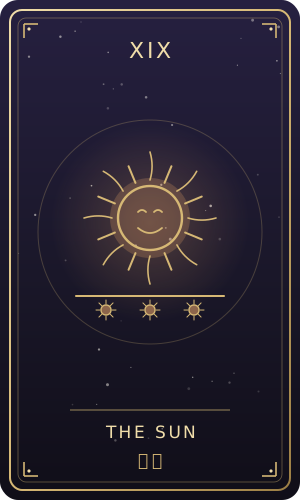
- The Sun reversed: the joy is still there, just hidden behind a cloud for now, or it may take a little patience to feel it.
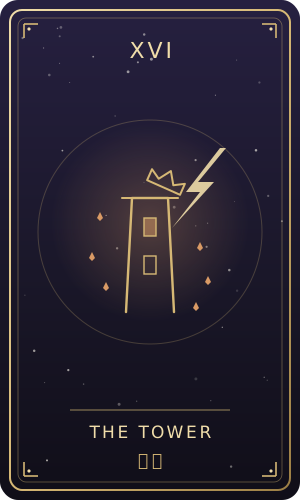
- The Tower reversed: change may arrive more gently, or you may be resisting a change that's needed.
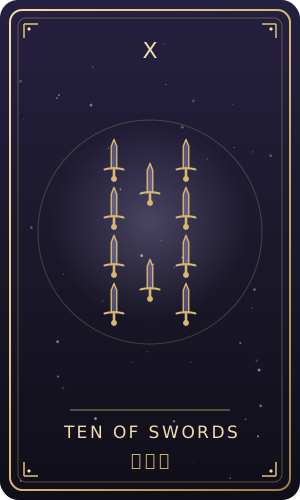
- Ten of Swords reversed: the hardest part is passing, and recovery is beginning.
Notice how some of the more challenging cards actually bring a sense of relief when they appear reversed.
Four Common Ways to Read Reversals
1. Blocked or Delayed Energy
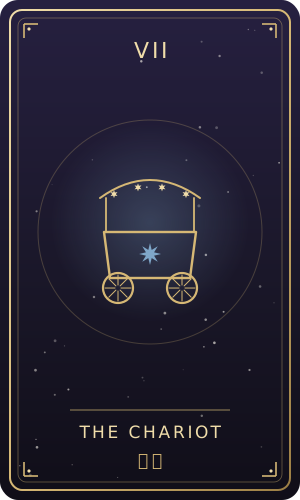
The card's energy is present but hasn't found its way out yet. The Chariot reversed might mean your direction isn't clear yet, or your momentum has stalled for a while.
2. Energy Turned Inward
Upright cards tend to describe outward expression, while reversals can turn that energy inward. The Hermit is already an introspective card, so reversed it may point to too much isolation, or a need to reconnect with others.
3. Too Much or Too Little
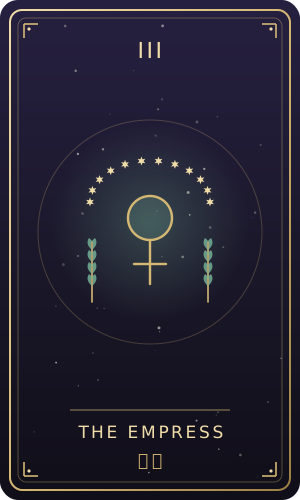
A reversal can show a quality that's being overused or underused. The Empress reversed might describe giving so much to others that you forget to care for yourself.
4. Releasing or Moving Through
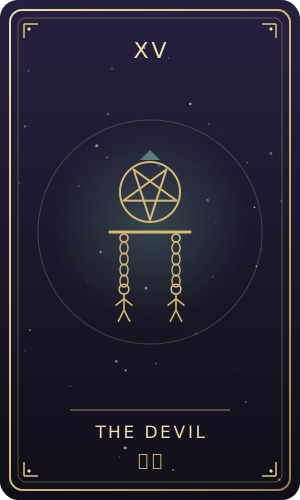
For heavier cards, a reversal often means you're starting to move out of a difficult place. The Devil reversed can symbolize becoming aware of what's been holding you back and beginning to break free.
Quick tip: when a reversal appears, ask yourself, "Is this energy stuck, turned inward, or being used too much or too little?" The answer often surfaces on its own.
Let Context Guide You
A reversal never stands alone. Read it alongside the question, its position and the cards around it. A reversed card in a "past" position may describe a block you've already outgrown, while the same card in an "advice" position might be inviting you to look inward before you act. If most of a spread is upright and only one card is reversed, that card often deserves extra attention: it may be the one place where energy needs a little help to flow.
Do You Have to Use Reversals?
Not at all. Some readers work only with upright cards and judge the strength of each card from its neighbors and its position in the spread. For beginners, getting to know all 78 upright meanings first and then adding reversals gradually is a perfectly sound approach.
On ORAE Tarot, some spreads allow reversed cards. Whichever method you choose, what matters is deciding your rules before each reading and sticking to them.
How to Shuffle for Reversals
If you'd like reversals to appear, spread the cards face down on a table and mix them in circular motions, or turn one half of the deck around when you cut. As long as your shuffle feels natural, upright and reversed cards will turn up at random.
Where to Go Next
Now that you understand orientation, move on to The Four Suits, or practice with the Past, Present, Future spread and notice the subtle differences a reversed card brings to each position.