What Is a Spread?
A spread is a layout for your cards in which every position has its own meaning, such as "past," "present," "advice" or "possible outcome." The same card can say something quite different depending on where it lands. Think of a spread as a map that turns scattered impressions into a story with a beginning, a middle and an end.
Start Simple
One Card
A Single Card reading is perfect for everyday questions or a quick sense of direction, such as "What should I pay attention to today?" It's simple and direct, and it's the best way to practice really looking at a card.
Three Cards
Three-card spreads are the classic next step. Popular versions include:
- Past, Present, Future: see how a situation unfolds over time.
- Situation, Action, Outcome: understand where you stand, what you can do and where it may lead.
Match the Spread to the Question
Different questions call for different spreads:
- Love: the Love and Relationship or Two-Person spread shows both people's perspectives.
- Career planning: the Career Development spread focuses on strengths, challenges and direction.
- Choosing between two options: the Choice A/B spread lays out how each path may unfold.
- The full picture: the ten-card Celtic Cross covers the present situation, obstacles, subconscious influences, the outside world and a likely outcome.
- The year ahead: the Twelve Months spread looks at the energy of each month in turn.
Rule of thumb: the simpler the question, the fewer cards you need. A bigger spread isn't more accurate; the right-sized spread is simply clearer.
Reading a Spread in Five Steps
- Set your question. Phrase it openly, and choose your spread before you shuffle.
- Shuffle and lay out the cards. Stay focused and place each card in the spread's order.
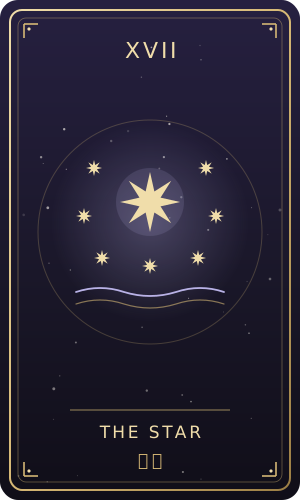
- Read card by card. Start with each card's meaning, then ask what it means in that position. The Star in a "past" position might describe a period of healing you've been through; in an "advice" position, it's an invitation to keep hope alive.
- Look at the whole. How many Major Arcana are there? Which suit dominates? Do any numbers repeat?
- Weave the story. Link the cards into one narrative, then bring it back to your original question.
Common Beginner Questions
What if I don't understand the cards I drew?
Start by describing the pictures. What are the figures doing? Does the mood feel bright or heavy? Very often the answer is hiding in your first impression.
Can I ask the same question again?
It's best not to keep redrawing for the same question in a short period. If you don't like the result, rather than reshuffling, ask yourself what the cards might be trying to show you. Once the situation has genuinely changed, you can ask again.
What if the cards seem to contradict each other?
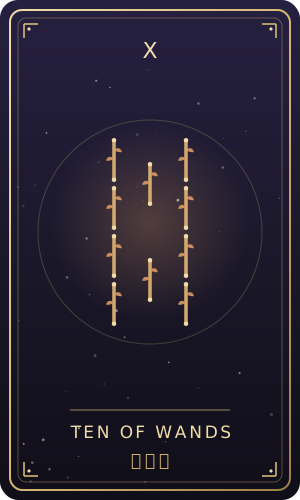
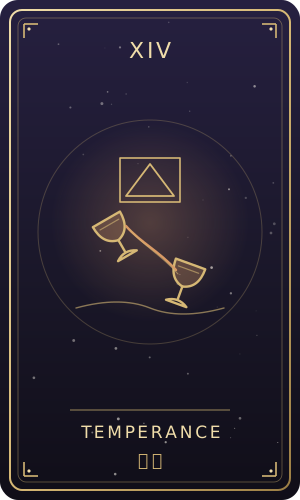
Real life is complicated, and spreads reflect that. If the outcome is the Ten of Wands and the advice is Temperance, the message may be to pace yourself and share the load before you wear yourself out.
Can I design my own spread?
Absolutely. Once you know the basics, you can create positions tailored to your question, such as "my strength," "what to release" and "my next step." The Custom Professional spread on ORAE Tarot is a great place to practice. As long as every position is clearly defined before you draw, you've built a good spread.
Build a Reading Habit
Before each reading, take a minute to write down your question and the spread you chose. Afterward, note the card in each position and your first impressions. Over time you'll learn which spreads suit you best, and you'll start spotting connections between cards much more easily.
Next step: once you're comfortable with spreads, read Reading Card Combinations to learn how cards talk to one another.