From Words to Sentences
When you first learn tarot, you usually memorize cards one at a time. Real readings, though, happen when cards start talking to each other. A single card is like a word; put several together and you get a sentence. The same card can carry a very different emphasis depending on its companions.
Step 1: Find the Anchor Card
In any group of cards, start by finding the one that carries the most weight. It's usually:
- A Major Arcana card, which sets the theme of the whole situation.
- The card in the most important position, such as the outcome or the heart of the matter.
- The card that caught your eye first.
The other cards then show how that anchor plays out in daily life.
Step 2: Look for Patterns
Suit Patterns
Several cards from the same suit mean the situation is concentrated in one area of life. Three Swords, for example, put thinking, communication or conflict front and center.
Number Patterns
Repeated numbers amplify that number's theme. If the Three of Cups and the Three of Wands appear together, the growth and collaboration of the number three come through especially clearly.
Court Card Count
Lots of court cards suggest that many people are involved, or that you're trying on several different roles.
Step 3: Notice How Cards Interact
Reinforcing
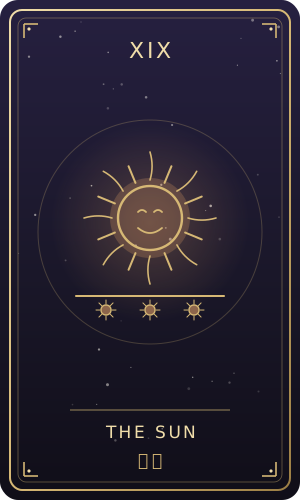
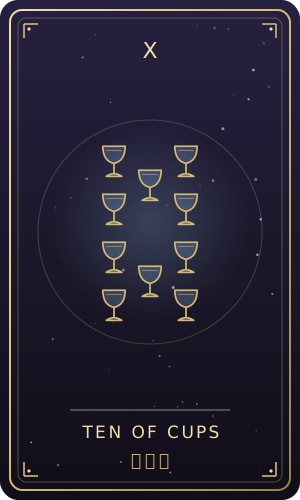
Cards with similar meanings make the message louder. The Sun with the Ten of Cups is an especially warm pairing, pointing to family harmony and heartfelt happiness.
Modifying
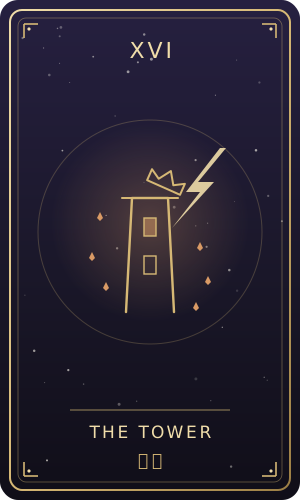
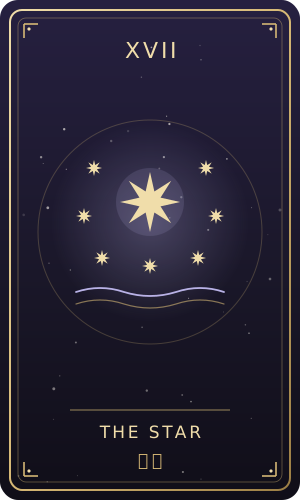
One card can steer the meaning of another. The Tower with The Star describes sudden upheaval followed by healing and hope. Here the Tower isn't just a shock; it's the doorway to renewal. That's also why, in the Major Arcana sequence, the Star comes right after the Tower.
Creating Tension
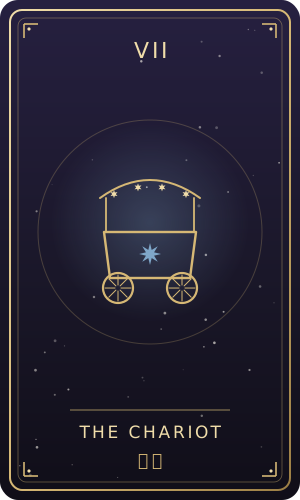
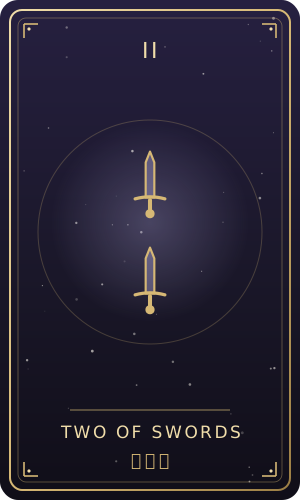
Cards with opposing meanings can reveal an inner conflict. The Chariot next to the Two of Swords shows someone who wants to charge ahead but can't make up their mind. In cases like this, the tension itself is the message.
Classic Combinations
- The Fool + Ace of Wands: an enthusiastic fresh start and a good moment to try something bold.
- Death + Ace of Pentacles: one chapter closes as a practical new opportunity opens, such as a career change.
- The Moon + Seven of Swords: information isn't fully transparent, so double-check the facts and decide carefully.
- The Empress + Nine of Pentacles: abundance and self-sufficiency, enjoying the fruits of your work.
A gentle reminder: there's no single "correct" meaning for a combination. These examples are starting points for your own thinking, so always bring the reading back to the question and the person's real situation.
Step 4: Tell the Story
Finally, follow the spread's order and link every card into a single narrative. A handy pattern for practice is "Because... so... but... therefore I'd suggest..." Imagine drawing the Five of Swords, Six of Cups and Six of Wands in a Situation, Action, Outcome spread. You might read it like this: "Right now, an argument has left things tense. If you can let go of needing to win and remember the goodwill you once shared, you have a real chance of earning everyone's respect."
Reversals Within a Combination
When a reversed card appears in a group, treat it as the part of the story that needs extra care. The Sun beside a reversed Ten of Cups still feels warm overall, but it may hint that some family expectations haven't been spoken aloud yet. A reversal rarely overturns a whole combination; instead, it adds a subtle footnote.
Three Common Pitfalls
- Picking favorites. Give every card its due, and don't skip one just because it looks heavy.
- Reading cards in isolation. Reciting meanings one after another misses the point, so use linking words to connect them.
- Forgetting the question. However fascinating the combination, bring it back to what the person actually wants to know.
To take your readings deeper still, continue with Advanced Reading Techniques.