From Knowing Meanings to Reading Situations
Advanced reading isn't about memorizing more meanings. It's about using what you already know more flexibly, and keeping your focus on what the person in front of you actually needs. Below are several techniques experienced readers rely on. Pick the ones that resonate and practice them at your own pace.
The Significator
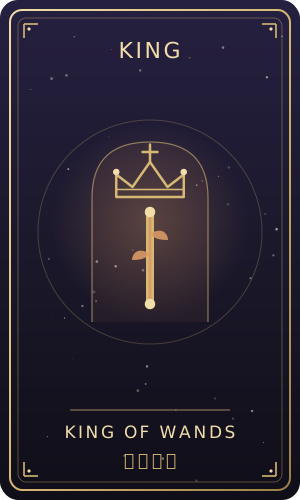
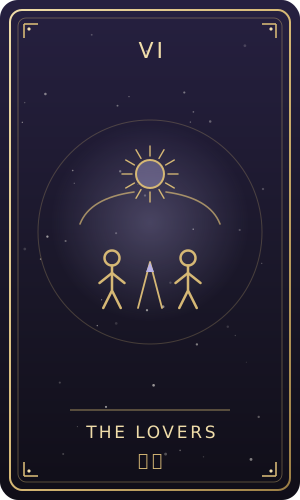
A significator is a card chosen before shuffling to represent the querent or the topic, usually placed at the center of the spread. Traditionally, a court card represents the person: someone warm, driven and confident might be represented by the King of Wands. Others choose a Major Arcana card for the theme, such as The Lovers for a relationship question.
A significator can help you focus, but it also means that card can't turn up in the spread itself. Whether to use one is entirely a matter of personal style.
Jumpers and the Bottom Card
Jumpers
Sometimes a card leaps out of the deck while you shuffle. Some readers treat these "jumpers" as an extra message to read alongside the spread; others simply slip them back into the deck. What matters is deciding your approach before the reading and staying consistent.
The Bottom Card
After laying out a spread, some readers turn over the card at the bottom of the deck, sometimes called the "shadow" or "root" card, as a hint about the hidden background of the situation. Treat it as supporting detail; it shouldn't overshadow the spread itself.
Elemental Dignities in Practice
As covered in The Four Elements, neighboring cards influence one another. In advanced practice, watch how a central card is strengthened or weakened by the cards on either side. A Wands card between two Cups may find its drive diluted by emotion or hesitation; between two Swords, it gains the support of clear thinking.
Timing Clues
Tarot isn't built to predict exact dates, but some traditional associations can give you a rough sense of pace:
- Wands: fast, measured in days or weeks.
- Swords: quick shifts, possibly within weeks.
- Cups: moving with the emotions, weeks to months.
- Pentacles: slow and steady, months or seasons.
Keep in mind: timing clues are only a rough guide, and different traditions disagree. Instead of asking "When will it happen?", it's usually more helpful to ask "What can I do now?"
Designing Better Questions
Experienced readers spend real time on the question itself. Good questions share three qualities:
- Self-focused: ask "What can I do?" rather than "What will they do?"
- Open yet specific: "What growth could this job offer me?" yields far more than "Will I succeed?"
- Time-bound: a frame like "over the next three months" keeps the reading focused.
Reading Ethically
As your skills grow, you may start reading for friends. Please keep in mind:
- Don't do probing readings about third parties who aren't present.
- Don't describe challenging cards in frightening or exaggerated ways.
- For health, legal, financial or mental health crises, gently suggest professional support.
- Respect the querent's freedom to choose. Tarot offers possibilities, not verdicts.
Journaling and Review
Keep a record of important readings: the date, the question, the spread, each card and your interpretation. Revisit it a few weeks or months later and compare it with what actually unfolded. This kind of honest review is one of the most effective ways to improve.
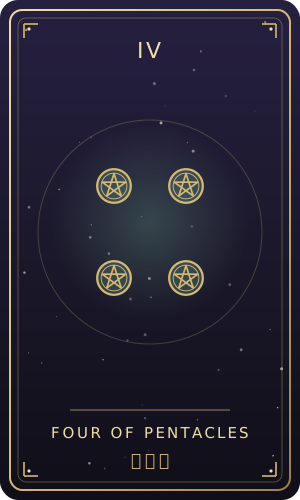
Say you laid out a Celtic Cross about your career. Three months later, you might notice that the Four of Pentacles in the "challenge" position really did reflect how tightly you were clinging to security at the time.
To revisit how cards interact, return to Reading Card Combinations; to refresh your approach to reversals, see Upright and Reversed.
A final thought: the best readings are warm, honest and empowering. If someone leaves with clearer thinking and a little more hope, the reading has done its job.