What Is Tarot?
Tarot is a deck of 78 cards, each with its own image, name and symbolism. The cards first appeared in northern Italy in the fifteenth century as a card game enjoyed by the nobility. It wasn't until the late eighteenth century that French writers began linking tarot to esoteric ideas, gradually turning it into the tool for reflection and divination that many people know today.
ORAE Tarot uses the Rider-Waite-Smith deck, often shortened to RWS. It was conceived by Arthur Edward Waite, illustrated by Pamela Colman Smith and published in 1909. Its big innovation was giving every card, including the numbered minor cards, a fully illustrated scene. That makes it wonderfully approachable: you can read the story in the picture before you know the "official" meaning. It's no surprise that RWS became the most widely used tarot system in the world.
What Tarot Can and Can't Do
Tarot shines when you want a fresh angle on a situation. The figures, colors and symbols work like a mirror, nudging you to notice feelings, needs and possibilities you might otherwise skip past.
- Great for: sorting out your thoughts, naming your emotions, weighing the pros and cons of different options, and setting an intention for the day.
- Not a substitute for: professional judgment. For health concerns, see a doctor; for legal matters, a lawyer; and for money decisions, a qualified financial advisor.
A gentle reminder: tarot is a tool for reflection and entertainment. It doesn't replace medical, legal or financial professionals, and you are always the one who makes the final decision.
Getting to Know the Deck
A standard tarot deck has two parts:
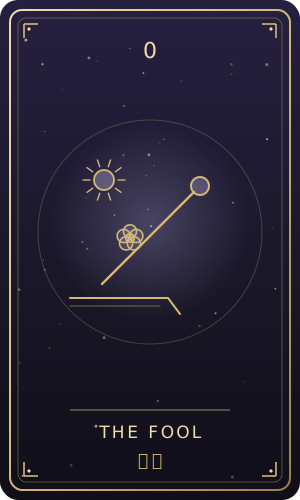
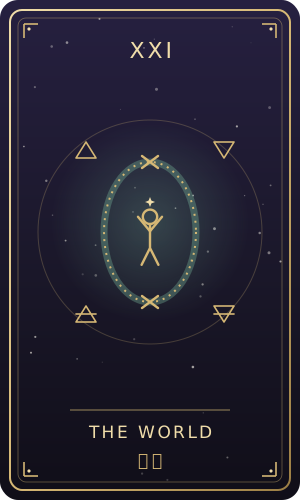
- The Major Arcana (22 cards): from The Fool to The World, these cards describe life's big lessons and turning points. Learn more in The Major Arcana.
- The Minor Arcana (56 cards): four suits, Wands, Cups, Swords and Pentacles, that reflect everyday action, emotion, thought and material life. See The Minor Arcana.
For a quick tour of the whole deck, start with Meet the 78 Cards.
Intuition Meets Tradition
Every card carries traditional meanings refined over more than a century of practice. Those meanings give readers a shared vocabulary. Your intuition adds the personal layer: the detail that suddenly catches your eye, or the memory a particular color brings back. The best readings use both. Lean on the book meanings while you're learning, then let your own impressions speak up more as your confidence grows.
How to Ask a Good Question
A clear question makes for a clearer reading. A question like "Will he come back?" only allows a yes or a no, and it hands all the power to someone else. Open-ended questions work much better:
- "How can I understand where this relationship stands right now?"
- "What should I keep in mind as I consider this new job offer?"
- "Where would it help to focus my energy today?"
Questions like these center on what you can actually do. That way tarot becomes a thinking partner rather than a judge handing down a fixed fate.
Your First Draw
The easiest place to begin is a Single Card reading:
- Find a quiet moment and take a few slow breaths.
- Hold your question in mind.
- Shuffle, then draw one card by feel.
- Look at the image first. What is the figure doing? How do the colors make you feel? Then compare your impressions with the card's meaning.
Once that feels natural, try the Past, Present, Future spread to see how a situation has unfolded and where it may be heading.
Practice tip: keep a tarot journal. Note the card you drew each day and how the day actually went. After a month, you'll be surprised at how much your understanding has grown.
Stay Curious and Relaxed
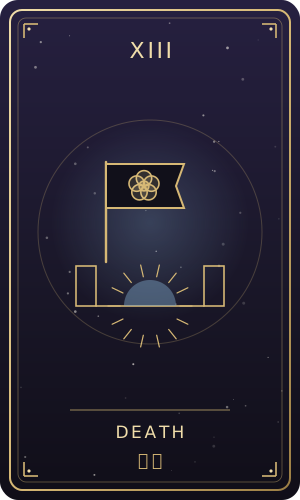
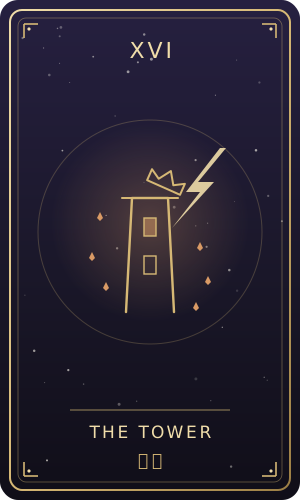
There's no deadline for learning tarot, and you don't need to memorize every meaning before you start. If you draw a card that looks intimidating, such as Death or The Tower, there's no need to worry. These cards usually speak of change and fresh starts, not literal disaster. Bring your curiosity, go at your own pace, and enjoy each conversation with the cards.