Two Ways to Interpret a Reading
More and more tarot sites and apps use generative AI to write their interpretations: you type a question, draw your cards, and the system produces a tailored passage on the spot. The other approach is the rule-based reading. People write the card meanings in advance, and those meanings are combined according to fixed rules based on spread position, orientation and topic. ORAE Tarot takes the second approach.
Each has real strengths, and neither is simply better. Here's a fair comparison.
What Generative AI Does Well
- Fluency. The writing reads like a conversation and can respond to specific details in your question.
- Flexibility. It handles almost any phrasing, and even follow-up questions and longer discussions.
- Variety. The same cards can be described from many angles, which keeps readings feeling fresh.
Where Generative AI Has Limits
- Variability. The same cards and the same question can produce a different answer each time, sometimes contradictory ones, which makes it hard to know what a card really means.
- Hallucination. Language models sometimes state incorrect things with confidence, such as describing the wrong card imagery or blending the meanings of two cards.
- A pull toward agreement. Models tend to lean toward what the person seems to want, so a reading can become a little too comforting.
- Privacy. Questions often touch on love, work and other personal matters, so it's worth understanding how a service handles and stores what you type.
None of this means AI tarot is off-limits. It's simply a reminder that the text you're reading was generated in the moment, and it's wise to keep your own judgment switched on.
What Rule-Based Readings Do Well
- Consistency. The same card in the same position gives the same interpretation, which makes learning and comparison easy.
- Traceability. Every sentence comes from a curated, human-written database of meanings, so it has a clear source.
- Versioning. Meanings and rules carry version numbers. ORAE records the versions used in every reading, so your past readings stay exactly as they were even after updates.
- Reproducible draws. Cards are drawn with cryptographically secure randomness, committed in advance with a seed hash. Your question plays no part in the draw, and the same seed always produces the same result, which makes every reading auditable.
Where Rule-Based Readings Have Limits
To be fair, rule-based readings have drawbacks too:
- The wording is more fixed and can't respond conversationally to every detail.
- Different questions may surface similar passages, so you need to connect the meanings to your own life.
- Quality depends on the people writing the meanings, which need ongoing review.
Why ORAE Chose Rules
For us, the deciding factor was trust. A reading you can revisit months later and find unchanged, with every sentence traceable to a written meaning, felt more honest than text that might shift each time you looked. It also means your question is never handed to a text-generation model. We'd rather show you clearly how a reading is built, and let you bring your own reflection to it.
Choosing What Suits You
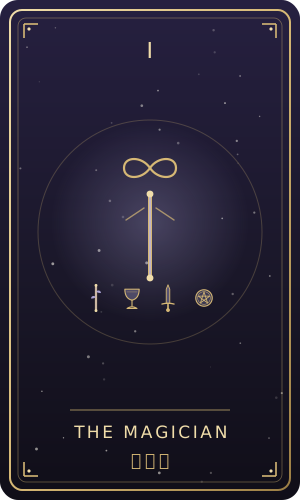
- If you want to learn card meanings and build a steady understanding, rule-based readings show each card's core clearly. The Magician, for instance, is always about turning the resources at hand into action, wherever it appears.
- If privacy and traceability matter to you, favor services that explain clearly how they draw and interpret cards.
- Whichever you use, treat the result as a prompt for self-reflection, not as medical, legal or financial advice.
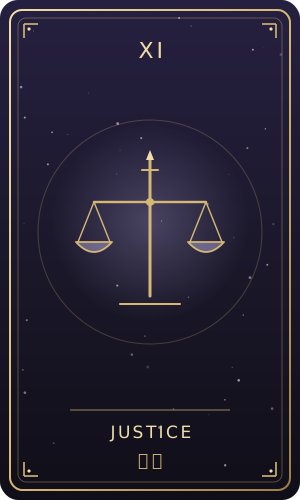
A gentle reminder: whatever tool you use, the person who makes the decision is you. As Justice suggests, clear judgment comes from full information and honest reflection.
Try It for Yourself
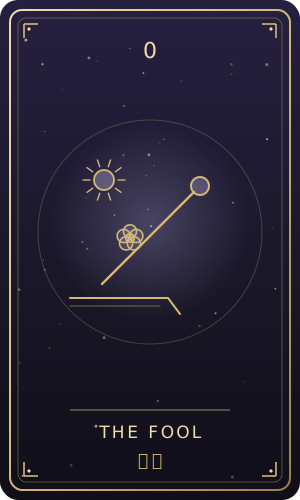
To get a feel for the consistency of rule-based readings, ask a simple question with a yes/no reading, or look at the rhythm of a whole year with the Twelve Months spread. Then look up each card's full meaning, starting with The Fool. To explore the ideas behind interpretation, keep learning in the Tarot Academy.