Can Tarot Answer "When"?
"When will they get in touch?" "When will I find a job?" Timing questions come up constantly, yet timing is honestly one of tarot's weakest areas. Traditions do offer correspondences that help you sense the rhythm of events, but they come from different schools, they don't always agree, and none of them gives precise dates. Treat the methods below as a framework for reflection, not a timetable.
Method 1: Suits and Seasons
One common system links each suit to a season:
- Wands (Fire): spring, when things sprout and plans get moving.
- Cups (Water): summer, a season of full hearts and warm connections.
- Swords (Air): autumn, a time of clear thinking and hard choices.
- Pentacles (Earth): winter, a time to consolidate, store up and harvest steadily.
Other schools assign the seasons differently, so pick one system and stay consistent.
Method 2: Suits and Speed
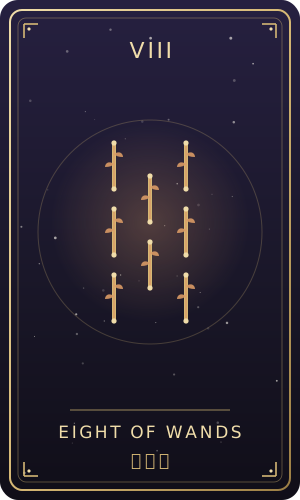
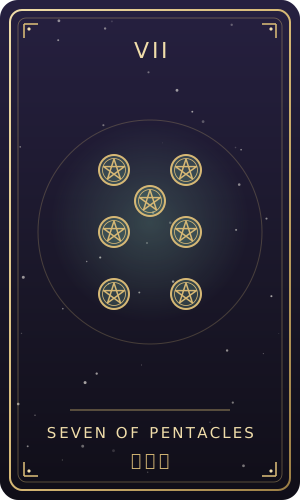
Another angle is each suit's sense of pace. Wands move fastest, often measured in days. Swords change quickly, within days to weeks. Cups follow the flow of feelings, over weeks to months. Pentacles are slowest, unfolding over months or seasons. The Eight of Wands, with eight staves flying through the air, is often read as "news is coming soon," while the Seven of Pentacles, a farmer studying his growing crop, reminds you that results take patience.
Method 3: Numbers as Units of Time
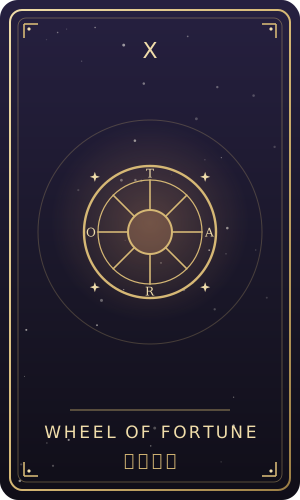
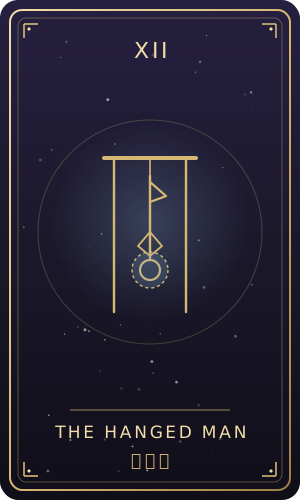
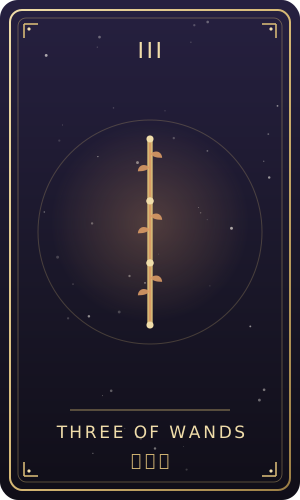
Some readers treat a card's number as a unit and pair it with the suit's pace. The Three of Wands might suggest about three days or three weeks; the Five of Pentacles, about five months. Court cards and Major Arcana usually aren't converted into numbers. Instead, read the theme they represent: Wheel of Fortune is often read as "when the moment comes, things will turn," while The Hanged Man hints at a pause and a change of perspective.
Method 4: Use a Timing Spread
Rather than calculating a date from a single card, it's usually more useful to choose a spread built around time:
- Twelve Months: one card for each of the next twelve months, showing which months carry momentum and which are better for rest.
- Weekly Outlook: a close-up view for planning the rhythm of your week.
- Past, Present, Future: a timeline that shows which stage a situation has reached.
Tip: in a Twelve Months spread, instead of hunting for "the month it happens," notice which months hold more action cards and which hold more cards of rest and reflection, then plan around that.
Putting It Together
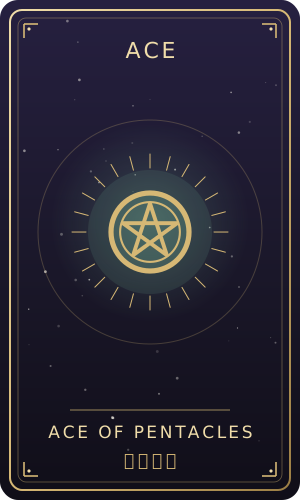
Say you ask, "How will my job search unfold over the next few months?" and draw the Ace of Pentacles, the Three of Wands and the Eight of Wands. Read them as a rhythm rather than a date: a solid opportunity takes root (Pentacles, slow), you start looking further afield (Wands, picking up pace), and then things clearly speed up. The takeaway isn't "an offer arrives on day eight," but "keep up steady effort, and be ready to move when the pace quickens."
The Limits of Timing
- Correspondences differ between schools, so any conversion is a rough range at best.
- When things happen often depends on choices, yours and other people's, so timing shifts as people act.
- Questions like "Will it happen in March?" can leave you anxiously waiting. Try "What can I prepare during this period?" instead. If you use a yes/no reading, remember it shows a leaning, not a schedule.
Stay as open as The Fool: timing clues are a map to help you plan, not a train you must catch on time. To review each suit's personality, see The Four Suits, or keep learning in the Tarot Academy.