How Much Does a Tarot Reading Cost? Prices, Readers and Red Flags
· 4 min read
Wondering what a fair price for a tarot reading looks like? Learn the common pricing models, what drives cost, how to choose a reader you can trust, and the warning signs of tarot scams.
"How much does a tarot reading cost?" is one of the first things people search when they think about booking a reader. There's no standard answer. An hour with one reader can cost several times more than an hour with another, depending on experience, format and location. So instead of memorizing a going rate, it helps to understand how prices are built. Then you can judge any quote on its merits and decide whether it's worth it to you. This guide doesn't recommend or rank any readers, shops or platforms; it covers the general principles and how to protect yourself.
Common Ways Tarot Readings Are Priced
Per question
You pay a set amount for each question. This suits people with one or two clear questions. Watch the definition of "a question," which varies from reader to reader. Are "Does he like me?" and "Will we end up together?" one question or two? Does a follow-up about the same card count as a new one? Ask before you book.
Per session
You pay for a block of time, such as 30 or 60 minutes, and ask as many questions as fit. This works well if you want a real conversation. Check when the clock starts, what happens if you run over, and whether shuffling and setup count toward your time.
Per spread
The price depends on the size of the layout. A three-card reading and a ten-card Celtic Cross are usually priced differently. This suits people who want a full picture of one situation but aren't sure how to break it into smaller questions.
Other formats
Some readers offer written readings (you send your question and get a considered reply), video or phone sessions, event booths, or bundles of several readings. Bundles aren't a problem in themselves, but think carefully before paying a large amount up front.
| Pricing model | Best for | Ask first |
|---|---|---|
| Per question | One or two clear questions | What counts as one question? Are follow-ups extra? |
| Per session | A longer conversation | When does timing start? What if we run over? |
| Per spread | A full look at one situation | Which spread? How many follow-ups are included? |
What Affects the Price
- Experience and background. Years of practice, and whether the reader also teaches or has counseling-style training.
- Format. In person, video, phone or written. Written readings often take extra time to compose.
- Length and spread size. More cards and more time usually cost more.
- Overheads. A studio, a shop or an event booth all carry different costs.
- Extras. Whether the reading adds astrology or oracle cards (our comparison of tarot and oracle cards explains the difference), a recording, written notes or follow-up questions afterward.
Keep one thing in mind: a higher price doesn't mean a more accurate reading, and a lower one doesn't mean less care. Price reflects time, experience and costs, not predictive power.
A Practical Checklist for Choosing a Reader
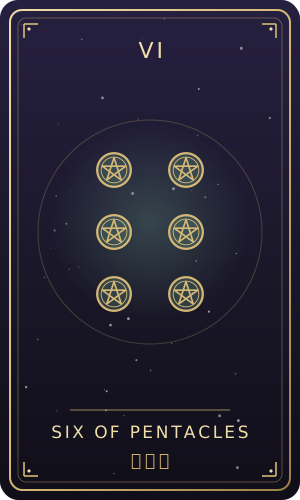
Think of the Six of Pentacles: a good paid reading is a fair exchange. You give money and trust; you get clearer thinking and the feeling of being respected. Before booking, check that the reader:
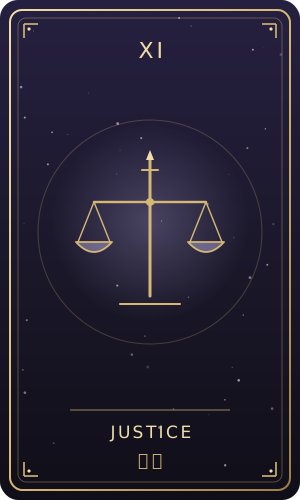
- Is transparent about pricing. Rates, length, number of questions and any extra fees are stated up front, laid out as plainly as the scales of Justice.
- Can explain their approach. Which deck they use and how they see tarot: as fortune-telling, or as a tool for self-reflection.
- Respects boundaries. They don't make decisions for you, don't pry into things unrelated to your question, and won't help you spy on someone who isn't there. Our piece on tarot taboos and myths covers why.
- Refers you on when needed. For health, legal or investment questions, they suggest a doctor, lawyer or other qualified professional.
- Has reviews worth reading. Look at what reviews say, not how many there are. "It helped me think clearly" is a better sign than "She promised he'd come back."
- Lets you start small. Book a short session or a single question first to see whether you click.
Not sure how to ask about money? Before booking, you can send something like this:
Hi! Could you tell me how your readings are priced: per question, per session or per spread? What counts as one question, and are follow-ups extra? How long does a session last, and what happens if we run over? Do you provide a recording or written notes? What are your payment and cancellation terms?
A reader who answers these clearly and without fuss is usually one you can feel comfortable with.
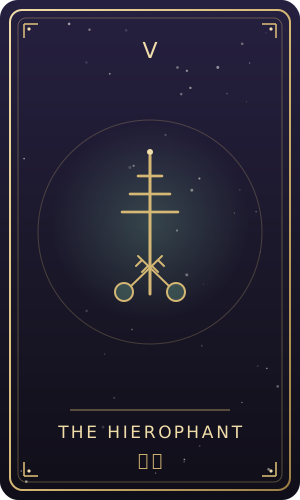
The best readers are a bit like The Hierophant at his best: a guide who offers perspective and direction without asking you to follow blindly.
Red Flags of Tarot Scams
Any one of these is a reason to pause:
- Fear-based upselling. "You've been cursed," "Something is attached to you," "Something terrible will happen unless...", followed by an expensive service.
- Paid curse or hex removal. Charging extra to fix a problem the reader claims to see in the cards. Tarot cards don't curse anyone, and no card ever needs to be paid away.
- Pressure and deadlines. "You have to decide today" or "I only have one spot left," designed to stop you thinking it over.
- Large or unusual payments. Requests for big lump sums, gift cards or cryptocurrency, or a steady stream of new fees.
- Requests for personal data. Your ID number, bank details, passwords, one-time codes or private photos have nothing to do with a reading.
- Guaranteed outcomes. "Guaranteed reunion" or "guaranteed promotion." No reading can promise that.
- Engineered dependence. Being told to check with them before every decision, or discouraged from talking things over with friends and family.
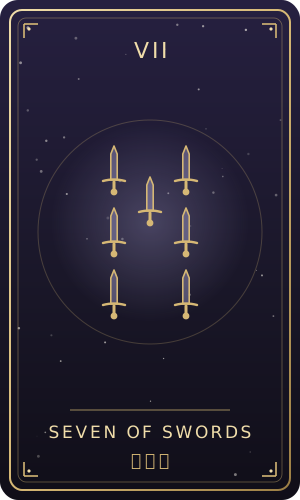
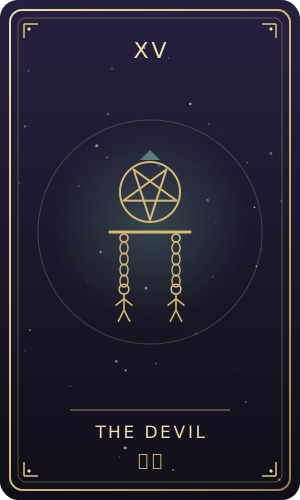
If a reading relationship leaves you less able to make your own choices, it looks more like the chains of The Devil than like help, and the Seven of Swords is a reminder to be wary wherever information isn't transparent. If something feels wrong, stop paying, keep records of messages and payments, talk to someone you trust, and contact your local consumer protection agency or police if money has been taken.
Are Free Tarot Readings Any Good?
Free doesn't mean worthless. A friend practicing, a student building skills or a free tarot website can all offer a useful prompt. What to watch for is the "free, then frightening" pattern: a no-cost card, followed by news of a serious problem that only a paid service can solve. With free online tarot, also notice whether a site asks for money halfway through a result. Our post on online tarot vs. in-person readings goes into more detail.
Sort Out Your Question on ORAE First, for Free
If you're unsure whether to book a reader, try reading for yourself on ORAE first. ORAE is completely free forever, with no paid tiers, credits or premium readings; see how ORAE stays free. You don't need to sign up to read, and interpretations come from fixed, transparent rules rather than AI.
- Start an online tarot reading, choose one of 20 spreads, and pick Basic, Deep or Expert depth.
- Read How to Ask Tarot Good Questions to turn a vague worry into a question you can actually work with.
Once your question is clear, any time and money you spend with a reader can go toward what you really want to talk about. And whether a reading is paid or free, tarot is a tool for thinking things through, not a guarantee about the future.
FAQ
How much does a tarot reading usually cost?
There's no standard price. Cost depends on the pricing model (per question, per session or per spread), the reader's experience, the format, the length and the location. Ask for a clear quote, including any extra fees, before you book.
A reader says I am cursed and need to pay to remove it. What should I do?
Treat it as a scam. Tarot cards don't curse anyone, and no card needs to be paid away. Stop paying, keep your messages and payment records, talk to someone you trust, and contact your local consumer protection agency or police if money is involved.
Are more expensive tarot readers more accurate?
Not necessarily. Price reflects time, experience, format and overheads, not accuracy. Better signs are transparent pricing, a reading that helps you think clearly, and a reader who respects your right to decide for yourself.
Are free tarot readings worth it?
They can be, as long as there are no hidden fees or scare tactics. ORAE is completely free with no paid tiers and transparent, rule-based interpretations. Like any reading, treat the result as a prompt for reflection rather than a promise.
What should I ask before booking a tarot reader?
Ask how pricing works, how long the session is, what counts as one question, and whether follow-ups cost extra. Start with a short session, bring one or two specific questions, and remember that the final decision is always yours.
Try a reading on ORAE
Free, no sign-up, no AI: fixed, transparent interpretation rules.