When a Tarot Reading Doesn't Fit: 7 Reasons and What to Do
· 6 min read
The cards promised a happy ending and real life disagreed. Here are seven honest reasons a tarot reading can seem inaccurate, from vague questions to treating cards as verdicts, with before-and-after questions to try next time.
The cards said this relationship would blossom; three months later it was over. The spread looked bright, and you still didn't get the job. When real life and a reading part ways, the first thought is often that the tarot reading wasn't accurate: the site got it wrong, or you drew badly. Whether tarot can predict the future at all is covered in Is Tarot Accurate? This guide deals with something more practical: when a reading doesn't fit, what usually went wrong, and what you can do differently next time. There are seven common reasons, and most of them are fixable.
First: Did a Prediction Fail, or Did the Reading Not Connect?
"Inaccurate" can mean two different things:
- A prediction didn't come true. You treated the cards as a forecast, for example "we'll get back together", and it didn't happen.
- The reading didn't connect. The meanings seemed unrelated to your situation and left you more confused than before.
The first is usually about the question and your expectations; the second is often about how the cards were read. As you go through the list, notice which kind you're dealing with.
Seven Reasons a Tarot Reading Seems Inaccurate
1. The question was vague, or a bare yes/no
"What's going on with my love life?" is so broad that any card could fit and none can say much. A bare "will it or won't it" question squeezes a rich card into a single yes or no, which is easy to get wrong.
- Before: "Will this year be good for me?"
- After: "Over the next six months, where is my effort at work best spent?"
- Before: "Will my proposal get approved?"
- After: "What part of my proposal needs strengthening before I present it?"
For the full technique, see How to Ask Tarot Good Questions.
2. You asked about someone else's private choice
"Will he text me?" "Will my manager pick me?" The answer depends on another person's decision, made from their own thoughts and circumstances. Tarot can't make anyone's choices for them, and the cards can only reflect the mood visible from your side.
- Before: "Will he reach out this week?"
- After: "If he doesn't get in touch this week, how can I look after my own feelings?"
- Before: "Who does my manager want to promote?"
- After: "How can I make my results more visible to my manager?"
If you really want insight into the other person, focus on the dynamic between you, for example with the Two-Person spread, rather than guessing what they will definitely do.
3. There was no timeframe
Questions without a timeframe invite the "where's that turning point I was promised?" gap. You were thinking of next week; the cards may have been describing a longer trend.
- Before: "Will I find a new job?"
- After: "In my job search over the next month, what should I prioritize?"
Writing the timeframe into the question also makes it easier to check back later. If your question really is "when?", a timing reading can help, but treat the result as a trend rather than a countdown. There's more in Timing with Tarot.
4. Strong emotion, or wanting one particular answer
Draw at 2 a.m. in the grip of anxiety, or with your mind already made up that you must get back together, and emotion steers the reading: good cards become guarantees, challenging cards become disasters, and neutral cards get bent into the answer you wanted. That isn't the cards' fault; it's simply hard to see clearly in that state.
- Before: "Tell me he'll definitely come back."
- After: "What's making me most anxious right now, and what's one small thing I can do for myself first?"
If you notice you only want confirmation, rest first and draw once you've settled. It also helps to write down "what I'm hoping to hear" before you draw and compare afterwards; it makes answer-shopping much easier to spot.
5. Reading one card in isolation
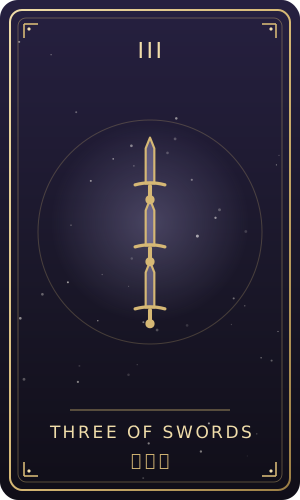
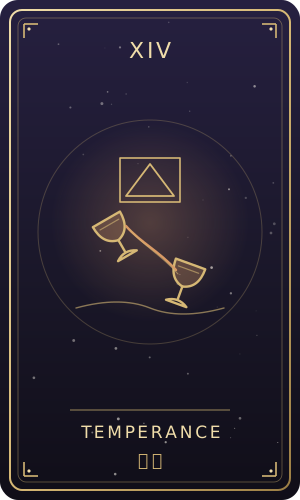
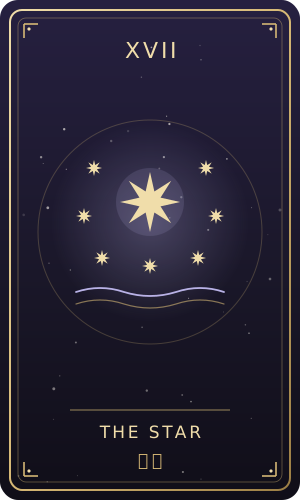
The same card means different things in different positions. Imagine a Past · Present · Future spread showing the Three of Swords, Temperance and The Star. Fixate on the Three of Swords and you might think "heartbreak ahead? We're fine, so this is wrong." But it sits in the past position, describing hurt or disappointment that has already happened. Temperance in the present shows things being rebalanced and gently healed, and The Star in the future points toward hope and renewal. Together they tell a story of moving from hurt to repair.
- Before: reading only the most dramatic card, or only the outcome.
- After: read each position's meaning, then link the cards in one sentence: "Because in the past ___, and now ___, what comes next is ___."
See How to Use Spreads for more on reading positions.
6. The future changes with your choices
In ORAE's Past · Present · Future spread, the future position is defined as the likely direction if the current path continues. The cards describe where things are heading if nothing changes, not a fixed script. If a reading leads you to act differently and the outcome changes, that's the reading doing its job.
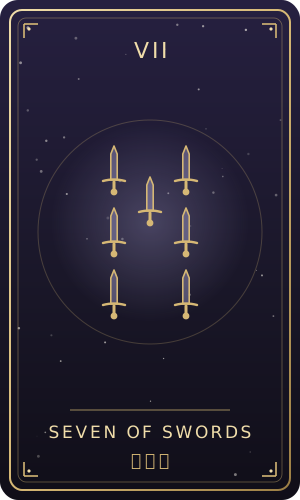
Say you ask about a business partnership and draw the Seven of Swords, which asks you to watch whether information is transparent. You reread the contract, ask about a vague clause and avoid a costly problem. Looking back, "the bad thing didn't happen" isn't a miss; it's a warning you put to use.
- Before: "What will happen?"
- After: "If I carry on as I am, what's likely to happen, and what could I change?"
7. Treating tarot as a verdict
Treat the cards as a final ruling and two kinds of gap appear: a good card makes you stop preparing, and a challenging card makes you give up early. Either reaction can change the outcome on its own. A healthier approach is to hear the cards the way you'd hear a friend's reminder: you still do the preparation, and the decision stays yours.
- Before: "Tarot says I'll get the job, so I don't need to prepare."
- After: "Before the interview, which part of my preparation needs the most work?"
For health, legal, financial and investment decisions, rely on professional advice and real information. Tarot is best used for sorting your thoughts.
A Worked Example: Untangling a Reading That "Got It Wrong"
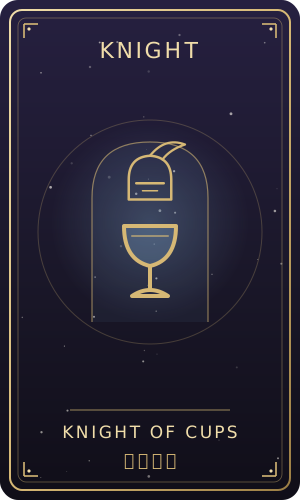
Here's an invented example. Late one night, in the middle of a flirtation, Mia drew a single card and asked, "Will he confess his feelings?" She got the Knight of Cups upright, read that a romantic invitation was coming her way, and waited happily for two months. He said nothing. Her conclusion: tarot isn't accurate.
Run that reading through the seven reasons and it hits almost every one: a closed question (1), about someone else's choice (2), with no timeframe (3), asked in a late-night state of anxiety (4), and treated as a guarantee (7).
Now look again at the Knight of Cups. Its meaning is about following your heart and acting with gentleness and sincerity. The card doesn't have to describe him; it could just as well describe Mia, who already had feelings she wanted to express. Rephrase the question as "Over the next month, what can I do to make this connection clearer?" and the same card becomes concrete advice: rather than waiting, express yourself once, sincerely, in a way that feels comfortable.
The point isn't that the card was secretly right all along. It's that the same card, paired with a different question, gives you something very different to work with.
A Five-Point Check Before Your Next Reading
- Is my question open, and focused on what I can do?
- Have I set a timeframe?
- Am I trying to guess someone else's decision?
- Am I calm enough to hear whatever comes up?
- How will I record this reading so I can check back later?
Once you can answer all five, start shuffling.
Keep a Record and Judge for Yourself
The most reliable way to judge accuracy is to keep a record. When you're signed in to ORAE, every reading is saved to your history, and the result page has a "My notes" field for how you felt or what actually happened next. Look back after a month or two and you'll see which cards described your mood, which advice you actually used and which answers you simply wanted to hear. Our tarot journal guide explains how to do this well.
When to Put the Cards Down for a While
If you're asking the same thing several times a day, losing sleep over a card you didn't like, or starting to lean on the cards for every decision, that's a sign to stop for a while. Talk to someone you trust, or reach out for counseling or other professional support. Whether and when to ask the same question again is covered in Can You Ask Tarot the Same Question Twice?
Ask Again, Better
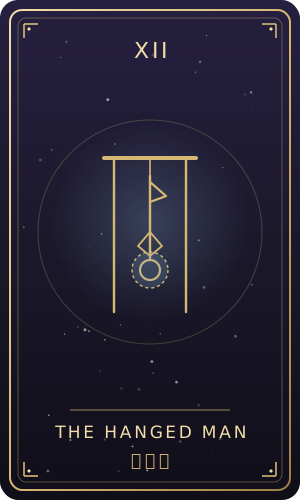
When you're ready, start a free online tarot reading with your rewritten question. It doesn't have to be perfect. Just remember three things: focus on yourself, add a timeframe, and treat the cards as a prompt rather than a verdict. As The Hanged Man suggests, the answer often appears once you look from a different angle. The cards won't decide your life for you, but a good question helps you find something in them you can actually use.
FAQ
If a tarot reading was wrong, is the site or the deck at fault?
In a fair, random draw the cards themselves are random, so a reading that doesn't fit is rarely a drawing error. It's usually about the question, expectations or how the cards were read. Tarot can't guarantee the future anyway; it's most useful for sorting thoughts and finding a next step.
The reading said the opposite of what happened. How should I read that?
Check three things: which position the card was in, whether your question had a timeframe, and whether you acted differently after the reading. Many "opposite" results come from misreading a position, or from a warning you already put to use.
Why are questions like "Will he…?" so often off?
Because the answer depends on another person's choice, shaped by their own thoughts and circumstances. Rephrase toward "What can I do?" or "What should I watch for?" and the reading stays with what you can influence. See How to Ask Tarot Good Questions.
Can I redraw straight away if a reading feels wrong?
It's better not to redraw the same question immediately; that tends to become shopping for the answer you want. Check the question and positions first, and ask again once something has genuinely changed. See Can You Ask Tarot the Same Question Twice?
How can I tell whether tarot is helping me?
Keep a record. Write down each reading, what you thought at the time and what happened later, then compare after a month or two. On ORAE, signed-in readings are saved to your history and you can add notes to each one.
Try a reading on ORAE
Free, no sign-up, no AI: fixed, transparent interpretation rules.