Is There an Accurate Online Tarot? 10 Questions Forum Users Ask
· 6 min read
Search Taiwanese forums like Dcard for an accurate online tarot and the same questions keep coming up. We answer ten of them honestly, then cover the scam warning signs people mention and a checklist for judging "so accurate!" claims.
Search Dcard, one of Taiwan's biggest online forums, for an "accurate online tarot", or browse its tarot board for a while, and you'll notice the same questions coming up again and again. Is there a free site that's actually accurate? Is an online draw just whatever the computer feels like? Does drawing Death mean something terrible? This post groups the kinds of questions people commonly raise on Taiwanese forums such as Dcard and PTT into ten, and answers each one honestly. Two notes first. These are common types of question we've summarized, not quotes from specific posts or users. And ORAE is our own site; we use it as an example where it helps, but that isn't a claim that any forum or user recommends it.
The Short Answer: No Online Tarot Is "Guaranteed Accurate"
No website or reader can guarantee to predict the future; we explain why in Is Tarot Accurate? A more practical definition of a good reading is a fair, random draw, clear and consistent card meanings, and a result that leaves you knowing more about what you care about and what you want to do next. Keep that standard in mind and the ten questions below get much easier.
Ten Questions Forum Users Often Ask About Online Tarot
1. Is there a free online tarot that's actually accurate?
Being free has little to do with being accurate. Rather than hunting for "the most accurate" site, look for one that explains itself, doesn't ask for money halfway through a reading and doesn't use fear. ORAE is one example: its free online tarot reading needs no account and uses no AI, and interpretations come from human-written card meanings combined by fixed rules. For a full set of checks, see How to Choose an Online Tarot Site.
2. Are online draws really random, or are they rigged?
It depends on the site, and many don't say. The more trustworthy approach is to publish the method and make results checkable. On ORAE, each reading generates a seed with cryptographically secure randomness and uses it to shuffle all 78 cards. A hash of the seed is shown before you draw and the seed itself is revealed afterwards, so the result can be recomputed. The question you type has no effect on which cards appear. The details are in How an Online Tarot Draw Works.
3. Does it matter whether I pick the cards or the site deals them?
In a well-designed system, no. ORAE offers Auto shuffle & deal, Pick by hand and Interactive cut. The order is already shuffled and hidden before you choose, so every card has the same chance whichever method you use. The difference is the experience: picking by hand feels more like a ritual, while auto-dealing is quicker.
4. Are pick-a-card readings accurate? Why does everyone see the same piles?
In a pick-a-card reading, a few piles are drawn in advance and everyone chooses one on instinct. Because the cards are shared, the message is a general reminder rather than a personal prediction. It makes a nice ritual for the start of the week; for a personal question, drawing your own cards fits better. ORAE's weekly pick-a-card refreshes once a week, and everyone sees the same cards. If the pile you chose doesn't sound like you at all, that's normal too: read the other two and notice which one you react to. That reaction is worth paying attention to.
5. Can I keep redrawing the same question?
You can ask again, but it's best not to draw until you like the answer. Each draw is a new, independent result, so repeated redraws usually just leave you with the answer you wanted. When follow-ups make sense and how long to wait are covered in Can You Ask Tarot the Same Question Twice?
6. I drew Death or The Tower. Is something bad about to happen?
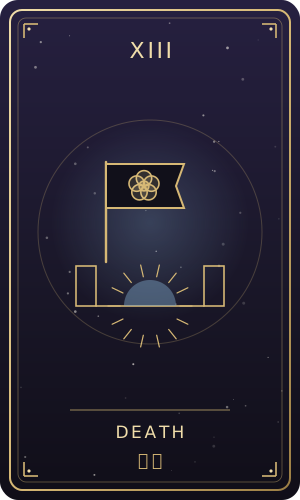
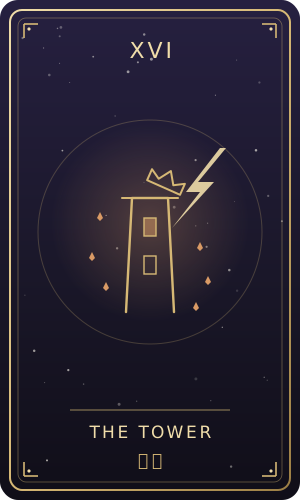
No need to panic. Death almost never means literal death; it speaks of a chapter closing and of transformation. The Tower describes something that seemed solid giving way so the truth can surface. Anyone who draws regularly meets these cards: in a three-card spread, the chance of at least one of Death, The Tower or The Devil is about 11.2%. For how to handle challenging cards, see Drew a "Bad" Tarot Card?
7. Is a paid tarot reader worth it? How is that different from a free online reading?
The main difference is conversation. A human reader can respond to you, ask follow-up questions and help untangle a complicated situation; an online draw is convenient, private and available any time. Neither is better in every case. It depends on whether you want someone to talk it through with or space to think on your own. For prices and how to choose a reader, see How Much Does a Tarot Reading Cost?, and for a side-by-side comparison, Online Tarot vs. In-Person Readings.
8. Can online tarot tell me whether he likes me?
Love is the most popular topic, and also the one most likely to feel inaccurate, because the answer depends on someone else's choices. A more useful question puts the focus back on your connection and on you, such as "How can I make this connection clearer?" To explore love with tarot, start with a love tarot reading, and see our guide to what to ask in love readings.
9. What's the difference between AI tarot and other online tarot?
AI tarot generates text on the fly. It reads smoothly, but the same cards may be described differently each time. Rule-based readings combine fixed card meanings with fixed rules, so the same card in the same position always reads the same way. ORAE is rule-based and uses no AI. The trade-offs are explained in AI Tarot vs Rule-Based Readings.
10. Can a beginner learn to read the cards on their own?
Yes, and drawing and reading for yourself is the fastest way to learn the meanings. Start with Tarot Basics and practice with one card a day. For what to watch out for, see Can You Read Tarot for Yourself?
Red Flags People Warn About
Forum threads about tarot often include warnings about hard selling and outright scams. Be careful if you see any of these:
- Unsolicited private messages. After you post or comment, a stranger messages you offering a free look at your situation, and the fees or sales pitch come later.
- Fees to change your luck or lift a curse. You're told something is attached to you or misfortune is coming, and you need to pay for a ritual to fix it. Tarot cards don't curse anyone, and no card needs paying off.
- Pressure and fear. "It'll get worse if you don't act today." "Only one slot left." Anything designed to rush you.
- Requests for personal data. ID numbers, bank details, passwords, one-time codes or private photos have nothing to do with a reading.
- The move to LINE, then the upsell. One free card, then "add me on LINE" (Taiwan's most popular messaging app), then paid sessions, lucky charms or a special ritual by "the master".
- Guaranteed outcomes. "Guaranteed to get your ex back." No reading can promise that.
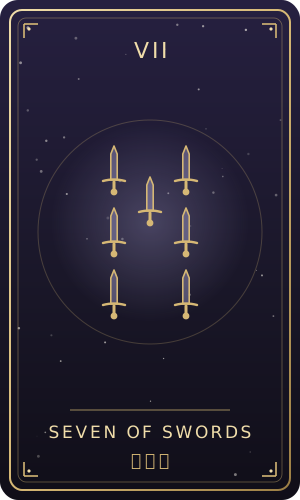
If something feels wrong, stop paying, keep your messages and payment records, and talk it over with someone you trust. In Taiwan, the 165 anti-fraud hotline can advise you. As the Seven of Swords reminds us, be careful wherever information isn't transparent. Our guide to tarot reading prices has more on choosing a reader safely.
Protect Yourself When You Post
If you want to share your cards on a forum and ask others what they see, keep a few things in mind:
- Leave out anything that identifies you. Your full name, birth date and time, workplace and photos don't need to go online.
- Protect the other person too. Describe the situation, but don't post their identity or screenshots of private conversations.
- Be wary of "let's talk in private". If a reply asks you to message someone directly, look back at the red flags above.
- Treat different readings as different angles. People will read the same cards very differently. Rather than looking for the "most accurate" reply, notice which angle helps you understand something.
A Checklist for "So Accurate!" Claims
When you see a site or reader described as amazingly accurate, ask:
- What's the evidence? A few screenshots or glowing comments prove little, because hits get shared far more often than misses.
- Is the draw method explained? For a website, does it say how it shuffles, and can results be checked?
- Do the meanings match standard interpretations? Compare with the 78 card meanings and see whether the reading strays far.
- Are outcomes guaranteed? If so, be skeptical.
- Are costs clear up front? Payment demanded halfway through a reading, or fees that keep growing, are warning signs.
- Does it ask for personal data it doesn't need?
- Afterwards, do you feel clearer or more anxious? A good reading helps you know what you want to do; it doesn't make you depend on the reader.
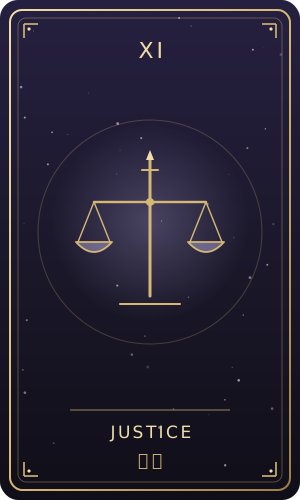
As Justice suggests, lay out the facts before you judge.
Try It Yourself, Then Decide
Rather than relying on what others say, try a transparent tool and judge for yourself. On ORAE you can draw one card for a quick prompt, or start a free online tarot reading, pick a spread and write down your question. Afterwards, ask yourself: "What do I know now that I didn't before, and what am I going to do?" If you can answer, the reading was worth it.
FAQ
Are the "really accurate" online tarot sites people recommend actually more accurate?
Recommendations usually come from personal experience, and the readings that hit are the ones people share. No site can guarantee to predict the future. What you can check is whether the draw method is explained, whether meanings are clear and consistent, and whether there are mid-reading fees or fear tactics.
What's the difference between free online tarot and a paid reader?
Mainly conversation. A human reader can respond to you and help untangle a complex situation; free online tarot is convenient, private and always available. If you book a reader, ask about pricing first; see How Much Does a Tarot Reading Cost?
A stranger messaged me offering a free reading. Should I trust it?
Be very careful. Unsolicited messages followed by requests to move to LINE, pay for curse removal or share personal data are common warning signs. Tarot cards don't curse anyone and no card needs paying off. If in doubt, stop paying, keep records and, in Taiwan, call the 165 anti-fraud hotline.
Are online tarot draws really random?
It depends on the site. ORAE shuffles all 78 cards with cryptographically secure randomness for every reading, shows a hash of the seed before you draw and reveals the seed afterwards so results can be recomputed. See How an Online Tarot Draw Works.
How can I tell whether an online tarot site is trustworthy?
Check whether it explains how it draws cards, whether it asks for money halfway through a reading, whether it uses fear, whether it is honest about tarot's limits and whether it asks for more personal data than it needs. More in How to Choose an Online Tarot Site.
Try a reading on ORAE
Free, no sign-up, no AI: fixed, transparent interpretation rules.